

Destination Guide: Sri Lanka
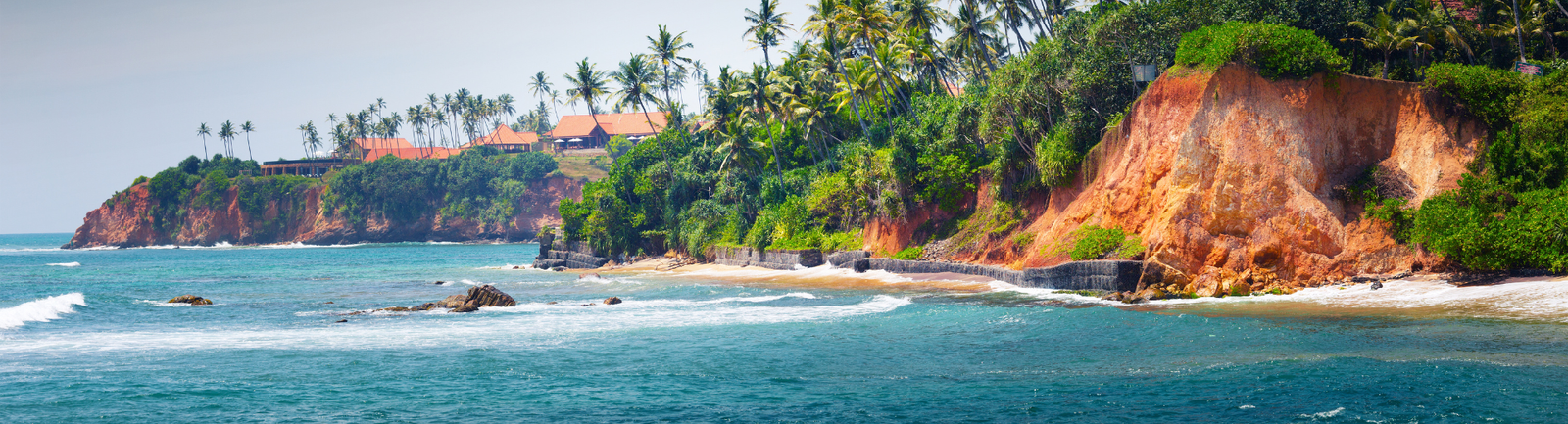
Sri Lanka is a small island with a remarkable sense of grandeur. Within a few hours’ drive you can move from misty tea-covered mountains to golden beaches, from ancient kingdoms to wildlife-filled national parks. Often called the Pearl of the Indian Ocean, Sri Lanka blends vibrant culture, spiritual traditions, warm hospitality, and extraordinary biodiversity. Whether you are exploring historic temples, watching elephants roam across open plains, riding a train through emerald tea plantations, or relaxing by the sea, Sri Lanka offers a journey that feels both deeply enriching and wonderfully relaxed.
Highlights and Must-See Attractions
Colombo
Sri Lanka’s energetic capital combines colonial architecture, lively markets, modern restaurants, and oceanfront promenades. It is a fascinating introduction to the island’s cultural diversity.
Sigiriya
One of the country’s most iconic landmarks, this ancient rock fortress rises dramatically above the surrounding jungle. Climbing to the summit reveals extraordinary views and centuries-old frescoes.
Kandy
Nestled among green hills, Kandy is the spiritual heart of Sri Lanka. The Temple of the Sacred Tooth Relic is one of the most important Buddhist sites in the world.
Tea Country and Ella
The central highlands offer cool temperatures, rolling tea plantations, and scenic train journeys. The area around Ella is perfect for gentle hikes, waterfalls, and spectacular viewpoints.
Yala National Park
One of Asia’s best places to see wildlife. Leopards, elephants, crocodiles, and countless bird species inhabit its diverse landscapes. During the season, it can be a bit crowded, though…
Galle
A beautifully preserved colonial town built around a historic Dutch fort. Its narrow streets, cafés, galleries, and sea views create a charming coastal atmosphere.
Our Lesser-Known Favourites
Minneriya National Park
During certain months of the year, hundreds of elephants gather around the reservoir in what is known as “The Gathering,” one of Asia’s most remarkable wildlife spectacles.
Knuckles Mountain Range
A UNESCO-listed landscape of misty peaks, forest trails, and traditional villages, ideal for hiking and nature lovers.
Kalpitiya
A quieter coastal region known for dolphin watching, kitesurfing, and long sandy beaches far from the crowds.
Jaffna Peninsula
In the far north, Tamil culture, historic temples, and unique cuisine offer a completely different perspective on Sri Lanka.
Horton Plains National Park
A high-altitude plateau famous for grasslands, cloud forests, and the dramatic viewpoint known as World’s End.
Did You Know?
Sri Lanka has eight UNESCO World Heritage Sites despite its relatively small size.
The island is one of the world’s biodiversity hotspots, with an exceptional variety of wildlife and plant species.
Ceylon tea, produced in the central highlands, is among the most renowned teas in the world.
Sri Lanka was historically a key hub along the ancient maritime Silk Road.
Food and Cuisine
Sri Lankan cuisine is vibrant, aromatic, and often beautifully spicy, combining influences from India, Southeast Asia, and colonial trade routes.
Rice and Curry
The foundation of most meals, consisting of rice served with several small vegetable, fish, or meat curries.
Hoppers
A bowl-shaped pancake made from fermented rice flour, often served with eggs or spicy sambal.
Kottu Roti
A popular street dish made by chopping flatbread with vegetables, eggs, and meat on a hot griddle.
Seafood
Fresh fish, prawns, crab, and lobster are widely available along the coast, often cooked with coconut milk and spices.
Ceylon Tea
Sri Lanka’s famous tea is best enjoyed in the cool highlands where it is grown.
Cultural Etiquette and Local Customs
Greetings and Interactions
Sri Lankans are warm and welcoming. A smile and a simple greeting go a long way. The traditional greeting “Ayubowan” is accompanied by palms pressed together and conveys wishes for long life.
Dining Etiquette
In many local settings meals are eaten with the right hand rather than cutlery. It is polite to wash your hands before and after eating. If invited into a home, accepting food or tea is considered courteous.
Dress Code Considerations
Light clothing is suitable for the tropical climate. When visiting temples or religious sites, shoulders and knees should be covered and shoes removed.
Religious and Sacred Space Protocol
Sri Lanka has strong Buddhist traditions alongside Hindu, Muslim, and Christian communities. When visiting temples, remain respectful and avoid turning your back directly to Buddha statues for photographs.
Communication Style
Conversations tend to be friendly and indirect. Politeness and patience are appreciated, and small talk often precedes practical matters.
Do’s and Don’ts
Do greet people warmly and respectfully
Do remove shoes when entering temples or homes
Do dress modestly when visiting sacred sites
Do support local crafts and markets
Do not point your feet toward religious statues
Do not touch someone’s head
Do not photograph monks or worshippers without permission
Do not turn your back toward Buddha statues for photos
Essential Sinhala Phrases
Basic Greetings
Hello
Ayubowan (ah-yoo-boh-wan)
Good morning
Subha udasanak (soo-bah oo-dah-sah-nak)
Good evening
Subha sandhyawak (soo-bah san-dhya-wak)
Goodbye
Gihin ennam (gee-hin en-nam)
Polite Expressions
Please
Karunakara (kah-roo-nah-kah-rah)
Thank you
Istuti (ees-too-tee)
You’re welcome
Hari (hah-ree)
Excuse me or sorry
Samawenna (sah-mah-wen-nah)
Useful Questions
How much is this
Meeka keeyada (mee-kah kee-yah-dah)
Where is
Koheda (koh-heh-dah)
Do you speak English
Oyā ingreesi kathā karanavada (oh-yah ing-gree-see kah-thah kah-rah-nah-vah-dah)
Can you help me
Mata udaw karannada (mah-tah oo-dahv kah-ran-nah-dah)
Dining and Travel
Delicious
Rasayi (rah-sah-yee)
Water, please
Vatura karunakara (vah-too-rah kah-roo-nah-kah-rah)
The bill, please
Bill eka denna (bil eh-kah den-nah)
I’m lost
Mama para veradi wela (mah-mah pah-rah veh-rah-dee weh-lah)
Practical Information
Best Season to Visit
Sri Lanka can be visited year-round, but the best months depend on the region. December to April is ideal for the south and west coasts, while May to September is best for the east coast.
Temperature
Temperatures range from around 25°C on the coast to cooler conditions in the central highlands.
Visa Requirements
Most visitors require an electronic travel authorisation obtained online before arrival.
Access
Bandaranaike International Airport near Colombo connects Sri Lanka with major hubs across the Middle East, Europe, and Asia.
Getting Ready for Departure
Currency: Sri Lankan Rupee (LKR)
Language: Sinhala and Tamil are official languages; English is widely spoken in tourist areas
Driving: Left-hand side; road conditions vary depending on region
Electricity: 230V, Type D, G, and M plugs
Dress Code: Lightweight clothing, sun protection, and modest attire for religious sites
Final Word
Sri Lanka offers a journey rich in colour, culture, and natural beauty. From sacred temples and ancient cities to lush mountains and golden beaches, every corner of the island reveals a new story. Travellers leave with memories of warm smiles, extraordinary landscapes, and a sense of connection to a place that feels both vibrant and peaceful.