

Chinese New Year: When It Happens, Where to Celebrate
Chinese New Year (also called Lunar New Year or Spring Festival) isn’t a single night of fireworks. It’s a full season of meaning: family reunions, symbolic food, temple rituals, street energy, and small traditions that make you feel like you’ve stepped into a living story.
If you’re curious about when it happens, where it’s celebrated, and what actually goes on (beyond the clichés), here’s a clear, traveller-friendly guide — plus a few authentic, high-end ways to experience it with depth.
When is Chinese New Year?
Chinese New Year follows the lunar calendar, so the date changes every year. It usually falls between late January and mid-February.
The celebration period typically includes New Year’s Eve (the big family reunion dinner), New Year’s Day (visits, blessings, and the first rituals of the year), the first 15 days of celebrations, and the Lantern Festival on Day 15, which traditionally closes the season.
Travel note: in many places, the “peak” atmosphere is the week around New Year’s Eve and New Year’s Day, but the cultural richness continues well beyond that.
Where is it celebrated?
Chinese New Year is celebrated wherever there are Chinese communities — which means it’s both deeply local and beautifully global.
You’ll see major celebrations across Mainland China, Hong Kong, Taiwan, Singapore, and Malaysia. The wider region also lights up in its own way: Vietnam celebrates Tết (with overlapping lunar-season energy), Thailand’s Bangkok Chinatown becomes a spectacle, and Indonesia’s celebrations have been revitalised in recent decades.
Outside Asia, cities with strong diaspora communities often host impressive celebrations too — from London and Paris to New York, Vancouver, and Sydney.
What happens during Chinese New Year? The traditions that matter
The details vary by region and family, but the themes are consistent: renewal, luck, protection, and togetherness.
The reunion dinner (the heart of it all)
New Year’s Eve dinner is the emotional centre of the season. Families travel long distances to be together. The meal is symbolic — not just delicious.
Depending on the region, you’ll often see dishes chosen for what they represent: fish for abundance, dumplings for prosperity, noodles for longevity, and sticky rice cakes for progress and “rising” into a better year.
For travellers, this is the moment you can’t simply “buy” — but you can experience it respectfully through curated cultural hosts and private dining experiences designed to be meaningful rather than performative.
Red everywhere (and why it matters)
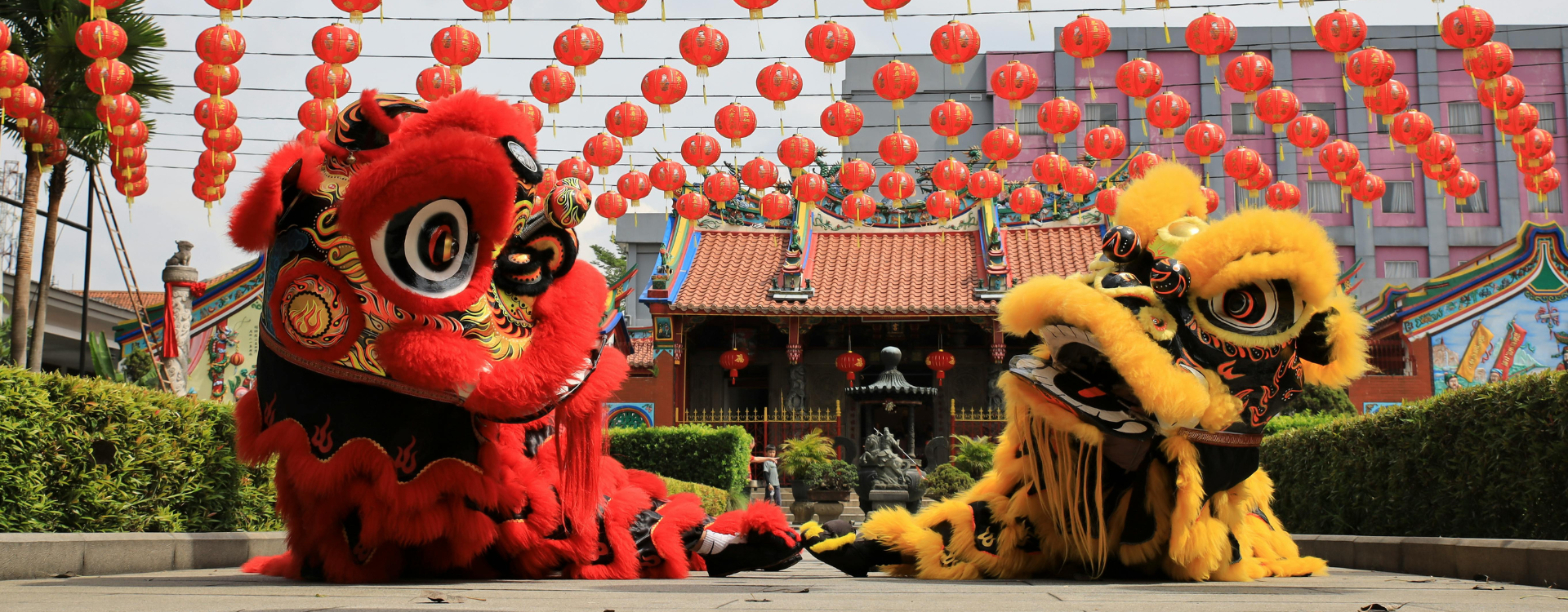
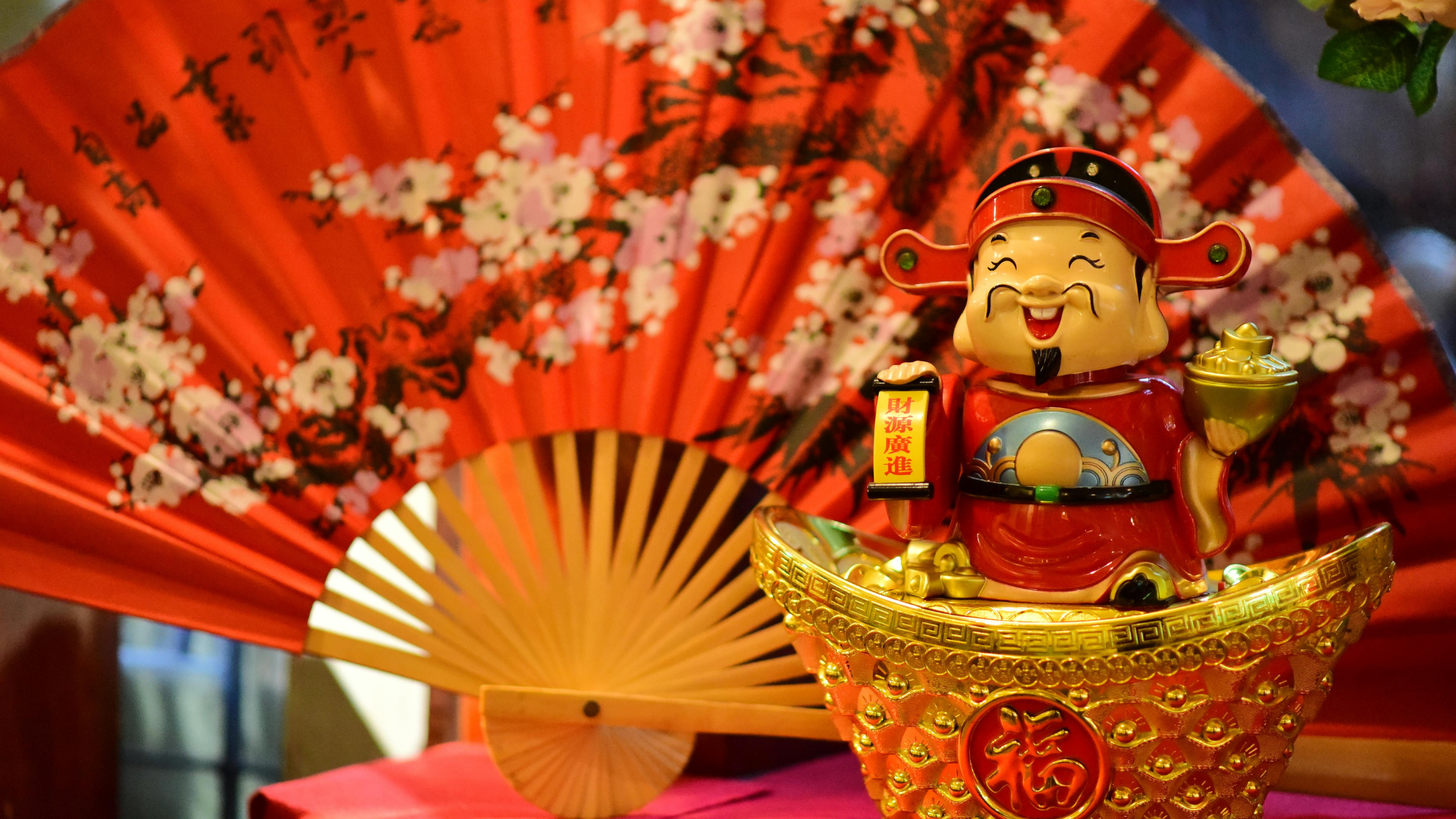
Red symbolises luck and protection. You’ll see red lanterns, red couplets on doors, and red envelopes (hongbao) gifted to children and younger family members. It’s not just decoration — it’s a cultural language.
Temple visits and rituals
Many people visit temples to light incense, make wishes for health and peace, and seek blessings for the year ahead. This is one of the most respectful ways for visitors to participate: observe quietly, dress appropriately, and go with a guide who can explain what you’re seeing (and what not to do).
Lion dances, dragon dances, and street celebrations
These aren’t just “shows”. Traditionally, they’re believed to drive away bad luck and bring prosperity to businesses and communities. In places like Hong Kong, Singapore, and Bangkok, the street energy can be electric — but the best experiences often happen one street back from the main crowds.
The Lantern Festival (the poetic finale)
On Day 15, lanterns mark the closing of the season. Depending on where you are, you may see lantern displays, parades, riddles written on lanterns, and sweet rice dumplings served for the occasion.
How to experience Chinese New Year in an “authentic luxury” way
For SCN Travel & More clients, the goal isn’t to chase the biggest crowd. It’s to feel the meaning — with comfort, access, and cultural respect.
One of the most elegant approaches is to experience the season with a private cultural host: someone who can take you through a pre-New Year market visit (flowers, sweets, decorations), a tea or calligraphy moment (writing wishes for the year), and a temple visit with the right context and etiquette. It turns “seeing” into understanding.
Food is another gateway into the tradition. A chef-led Lunar New Year experience — whether it’s dumpling-making with symbolism explained, a chef’s table focused on New Year dishes, or a market-to-table journey — can feel intimate, warm, and genuinely local.
Where you stay also changes everything. For this season, we favour boutique properties in the right neighbourhoods: close enough to walk into cultural districts, but positioned so you can retreat into calm when you want to.
And because Chinese New Year can be intense, we love a “two-speed” itinerary: a few nights in a celebration hub (Hong Kong, Singapore, or Bangkok’s Yaowarat), followed by a quieter cultural and nature escape. You get the atmosphere without burning out.
Where we’d personally recommend (depending on your travel style)
If you want iconic atmosphere with strong traditions, Hong Kong delivers high energy and incredible visuals — while still offering depth through temples and neighbourhood culture.
If you want the easiest logistics (and still a big wow), Singapore is polished, seamless, and wonderfully designed for combining celebration, high-end dining, and a calm retreat.
If you want street energy and food culture, Bangkok’s Yaowarat is a sensory feast. The key is timing and a guide who can steer you to the right lanes, the right stalls, and the right moments.
If you want something more intimate and craft-led, Taiwan offers temple culture, lantern traditions, and a slower pace that suits travellers who want depth over spectacle.
Practical travel tips (so it stays enjoyable)
Book early: flights and premium rooms sell fast. Expect some closures as families prioritise time together, especially in parts of China. Plan around crowds by choosing early mornings, late evenings, or neighbourhood streets rather than the most obvious hotspots. And be culturally mindful — a little etiquette goes a long way, particularly in temples and family-oriented spaces.
Wishing you a joyful Chinese New Year — may the season bring health, harmony, and abundant good fortune.